‘This is How I Draw’: Nurturing Visual Literacy through Picture Books

Where do ideas come from? How do you know what to draw? When do you dream up stories? How does a picture book maker see the world? This Is How I Draw, published by Pratham Books, brings together seven of India’s most beloved picture book makers, who take you for a walk inside the fabulous maze that’s their brains.
Canato Jimo, award-winning illustrator and Art Director at Pratham Books, says: “Whenever we meet children, they’re always excited about illustrations and they ask, ‘How do you make them?’ We wanted a child to be able to look at this book and say: ‘Oh, this is how my favourite illustrators created the books that I love!’”
So our team reached out to some of India’s finest picture-book illustrators with a simple brief: You’re stepping out for a walk. You have two spreads. What will you draw and how?
The result?
A one-of-a-kind picture book: This Is How I Draw
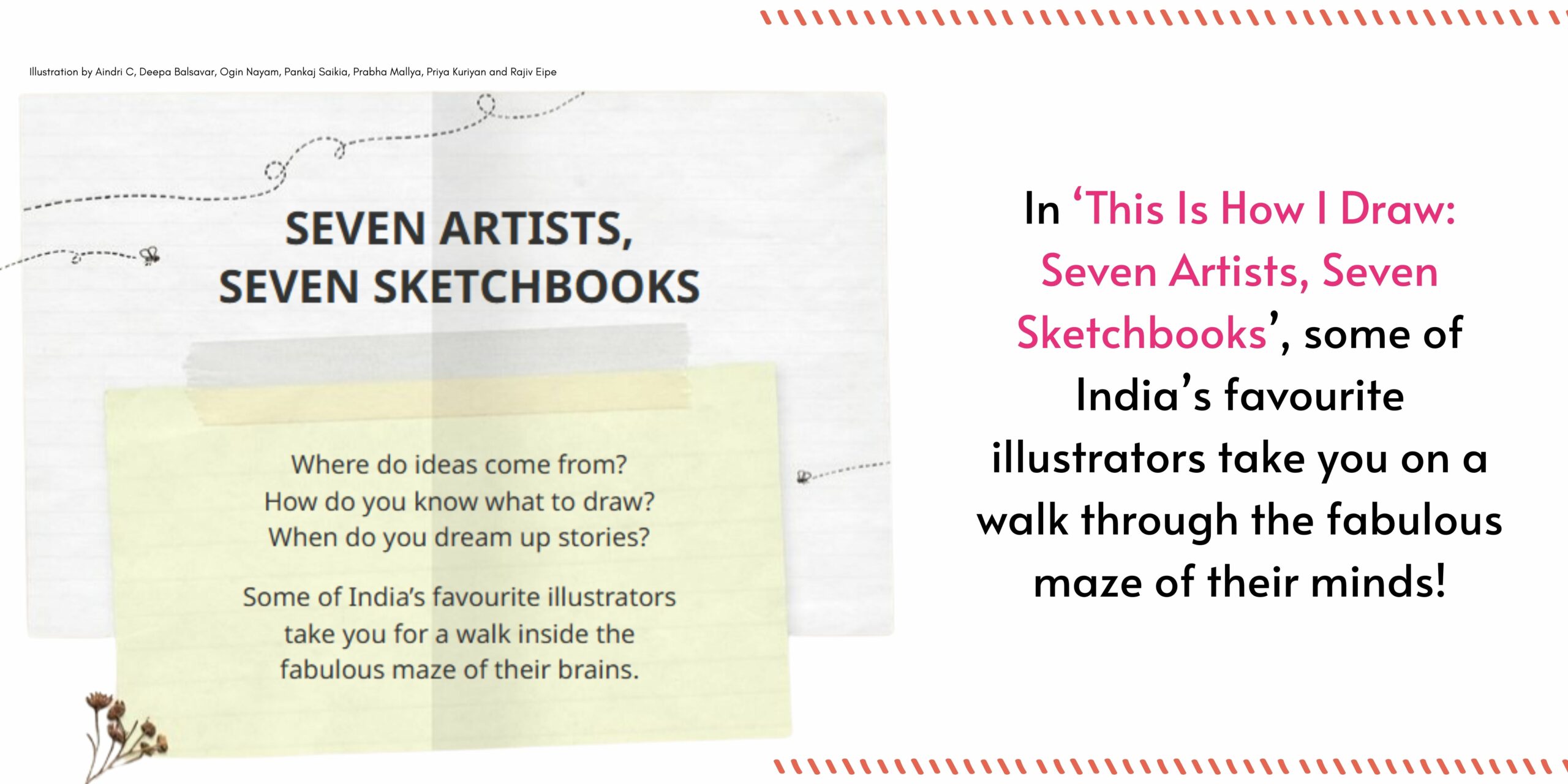
Blending everyday observations with imaginative leaps, the book offers children, educators, and anyone who loves art a rare glimpse into the minds of seven celebrated illustrators — Aindri C, Deepa Balsavar, Ogin Nayam, Pankaj Saikia, Prabha Mallya, Priya Kuriyan, and Rajiv Eipe — and the creative journey behind a picture book. In that process, it could also become a hands-on guide to nurture visual literacy in children, teaching them to decode images, interpret emotions, and build stories through guided prompts and real artist sketchbooks.
Visual literacy — the ability to decode, interpret, and create meaning through images — transforms how children engage with stories, strengthening comprehension, vocabulary, and critical thinking.
In his research study ‘Reading Picture Books in Preschool and Lower Grades of Primary School’, Janja Batič finds:
“Reading and understanding picture books are closely related to visual literacy. Reading picture books differs from reading non-illustrated texts, as ‘reading’ illustrations requires becoming regularly familiar with the visual language vocabulary. Depending on their developmental stage, children and students learn how the elements of visual art and design change the meaning of the text and affect the interpretation of a story”
It is this very foundation that This Is How I Draw seeks to strengthen. By opening up artists’ sketchbooks, showing choices of colour, shape, perspective, and imagination, and inviting children to try those choices themselves, the book becomes more than a glimpse into creative process — it becomes a gentle guide to understanding how visual elements shape meaning. In doing so, it helps children build the very “visual language vocabulary” that Batič describes, nurturing not just future illustrators, but attentive readers who can interpret, question, and imagine with greater depth.
On 29 August 2025, the Pratham Books team invited the seven creators of This is How I Draw to Bangalore International Centre for Seven Ways to See The World, a day-long interaction on visual literacy.
The Worlds We Build: Inside the Workshop
The day opened with an immersive workshop where Rajiv Eipe, Deepa Balsavar, Ogin Nayam, Priya Kuriyan, and Pankaj Saikia spoke about their illustration journeys.
Each artist returned to a picture book they had created in the past and shared the small discoveries, decisions, and questions that shaped their work.
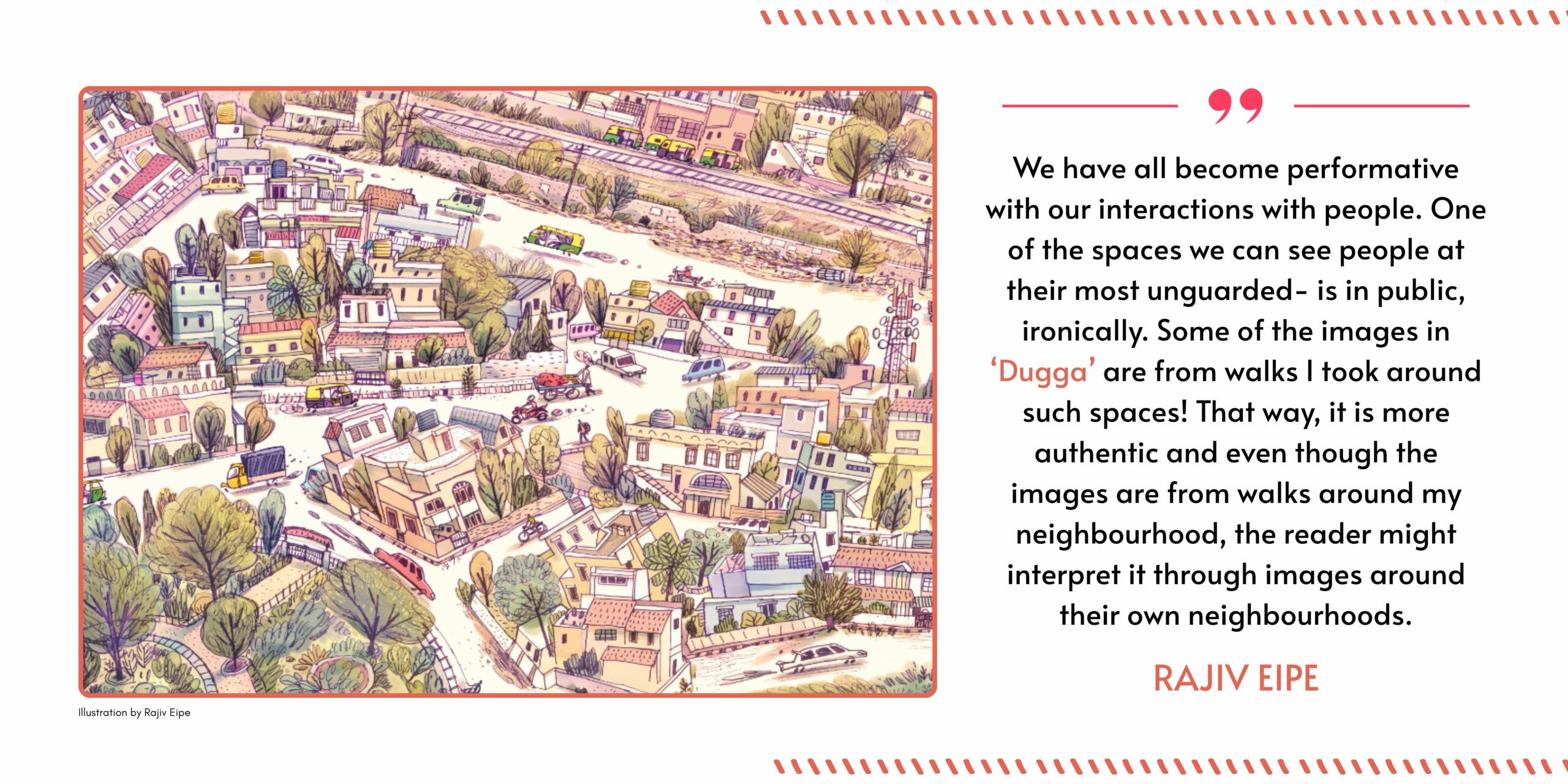
For example, Rajiv spoke about Dugga and how asking what a street dog actually sees every day shifted the book’s entire visual perspective; grounding it in what dogs encounter most: human feet rather than faces. Pankaj recalled how growing up in Guwahati, he would draw what he saw in his surroundings and he loved drawing bamboo groves, which still continue to form the backdrop of his illustrations today. Priya explained how colour, for her, always arises from what she wants to represent; in Beauty Is Missing, for example, muted browns and greys capture the bureaucracy of the police station, while brighter greens and yellows mark the world outside it. And Ogin described how When the Sun Sets began with a playful wondering: if a house existed in the sky, what would life inside it look like? That question became a window into many others that went on to shape the visual logic of his wordless narrative.
In this way, each artist revisited a defining moment from their creative practice with budding illustrators.
The session closed with participants stepping outdoors for a short observational sketching exercise. For fifteen minutes, BIC’s gardens became quiet open-air studios — people seated under trees, tracing shadows, leaves, passerby and more.
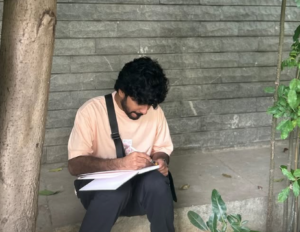
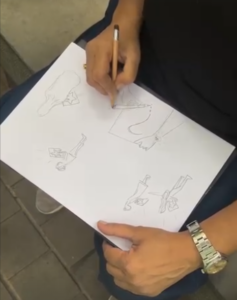
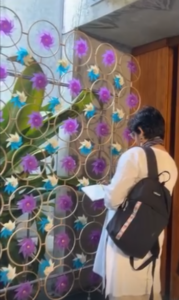
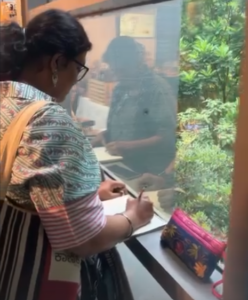
The sketches that emerged were wonderfully diverse, a reminder that every illustrator sees the world differently.
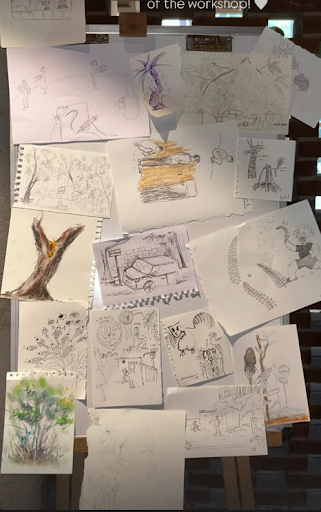
Inside the panel discussion ‘Seven Ways to See the World’
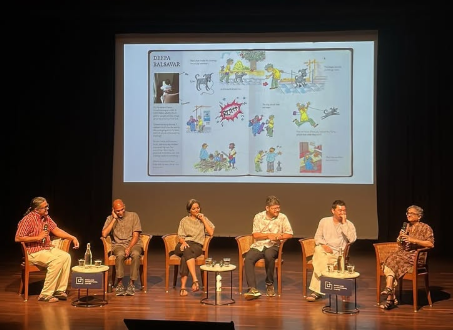
The panel brought all the illustrators together to think out loud, reflect on their influences, and share the little truths that guide their creative decisions. Here are a few reflections that stayed with us, and might spark something for you too!
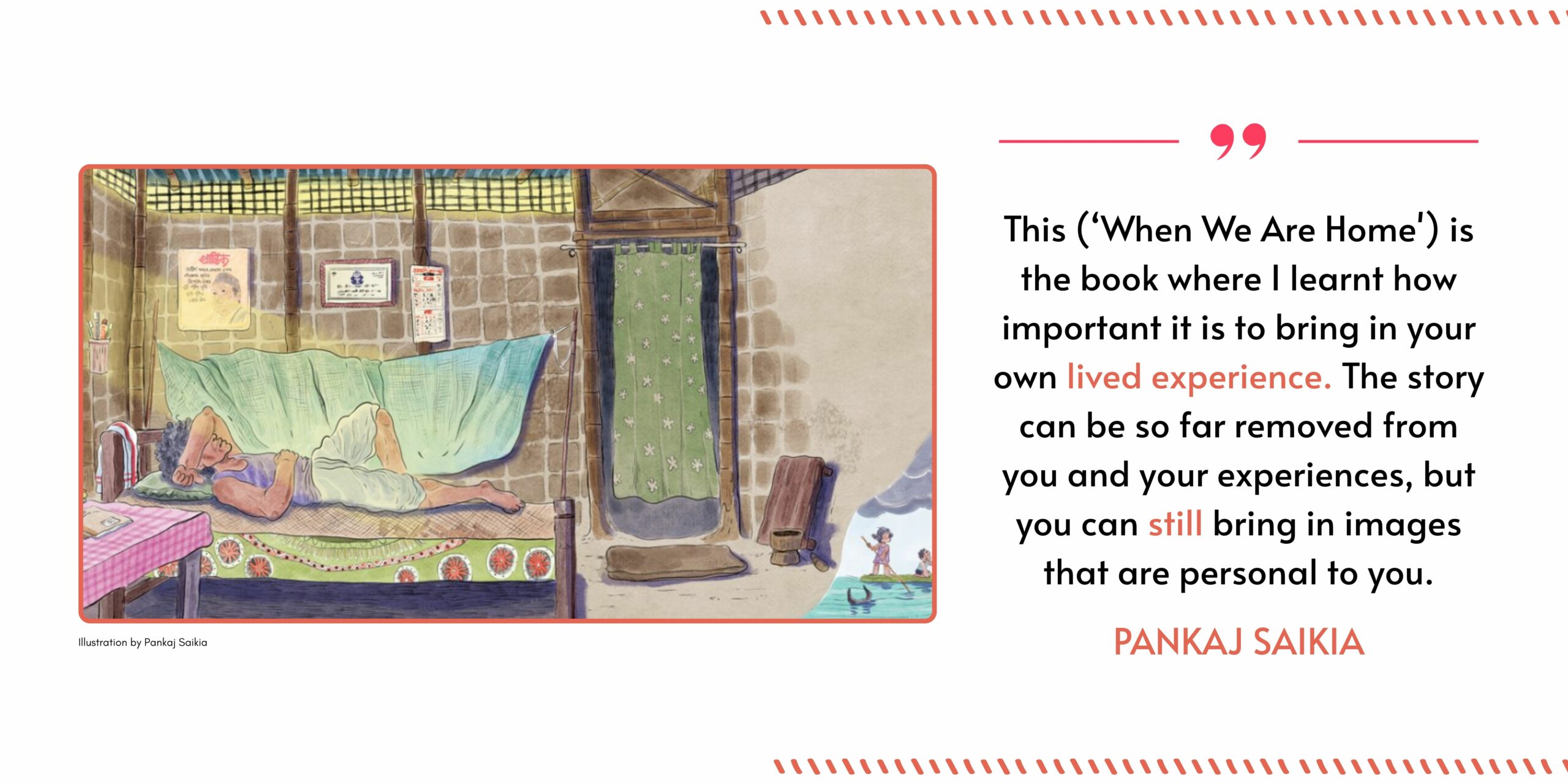
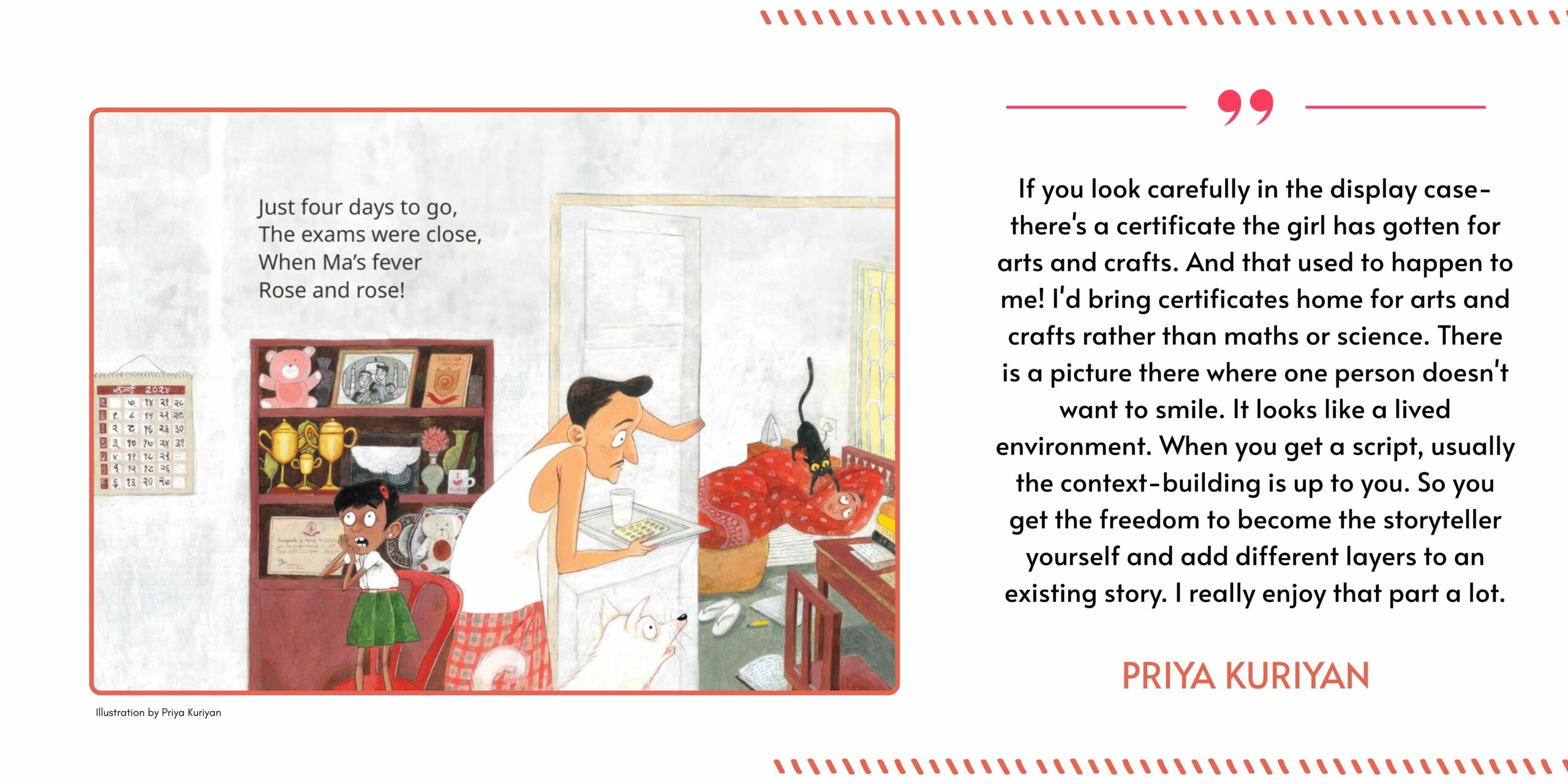
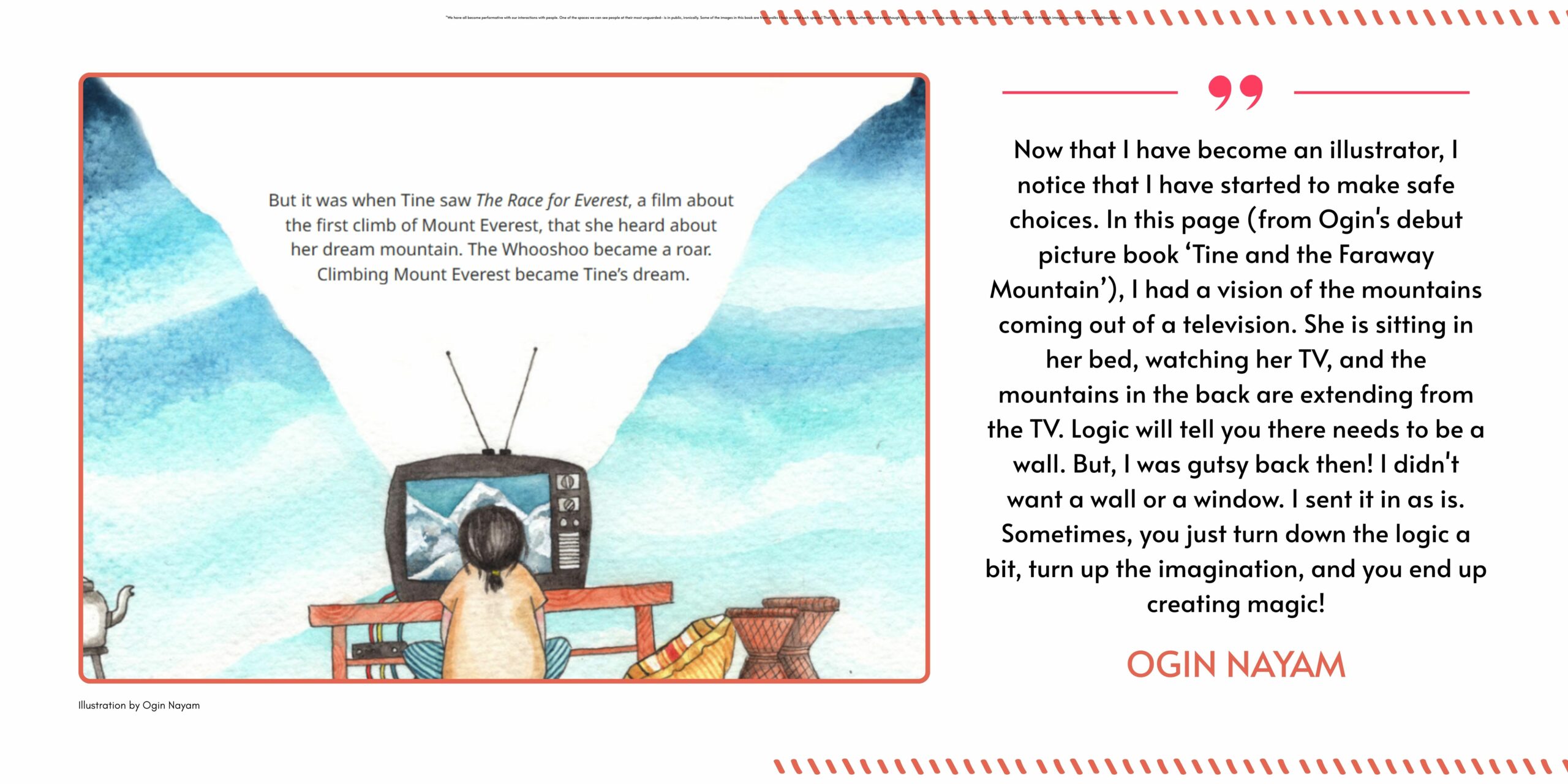
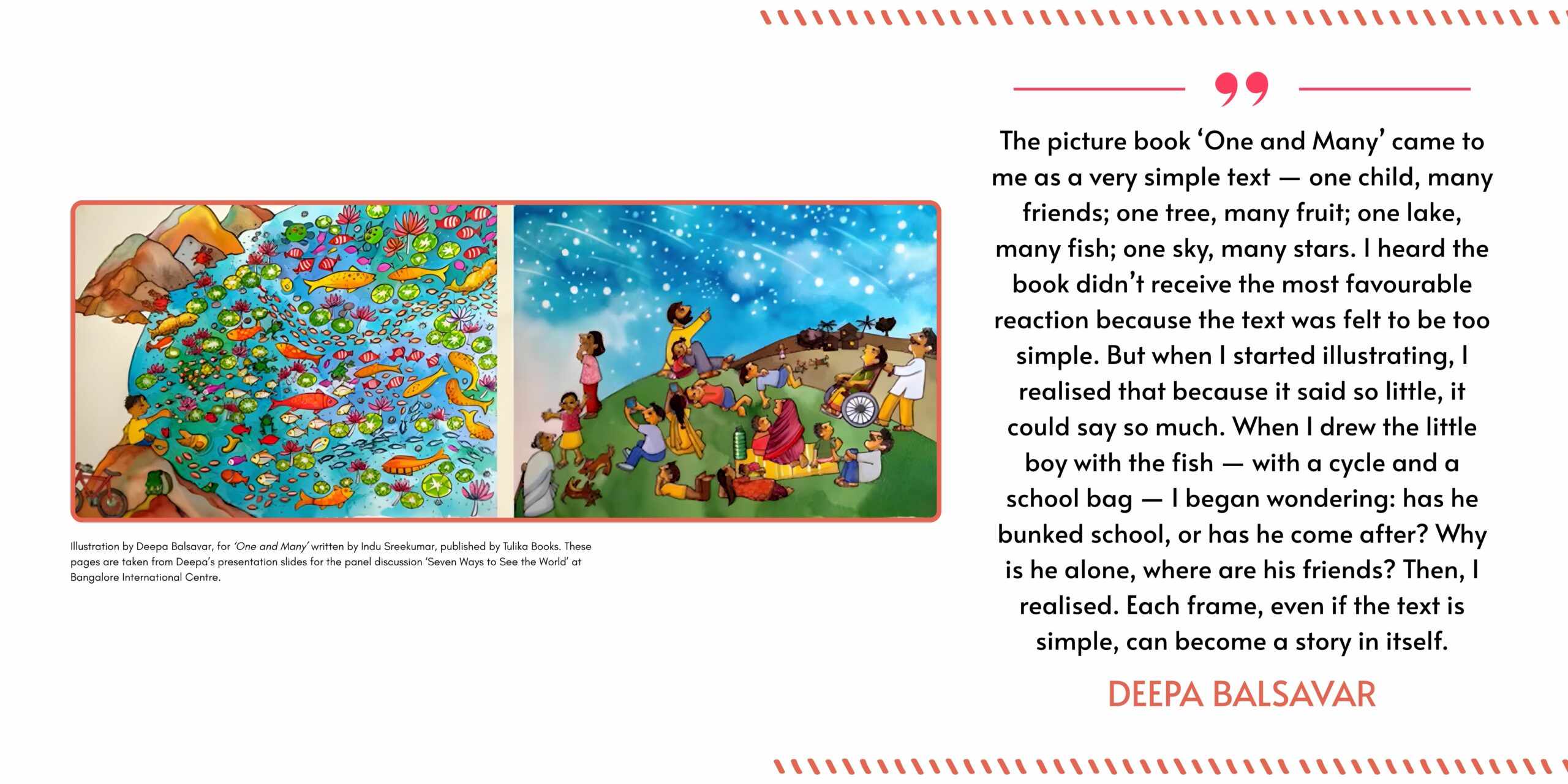
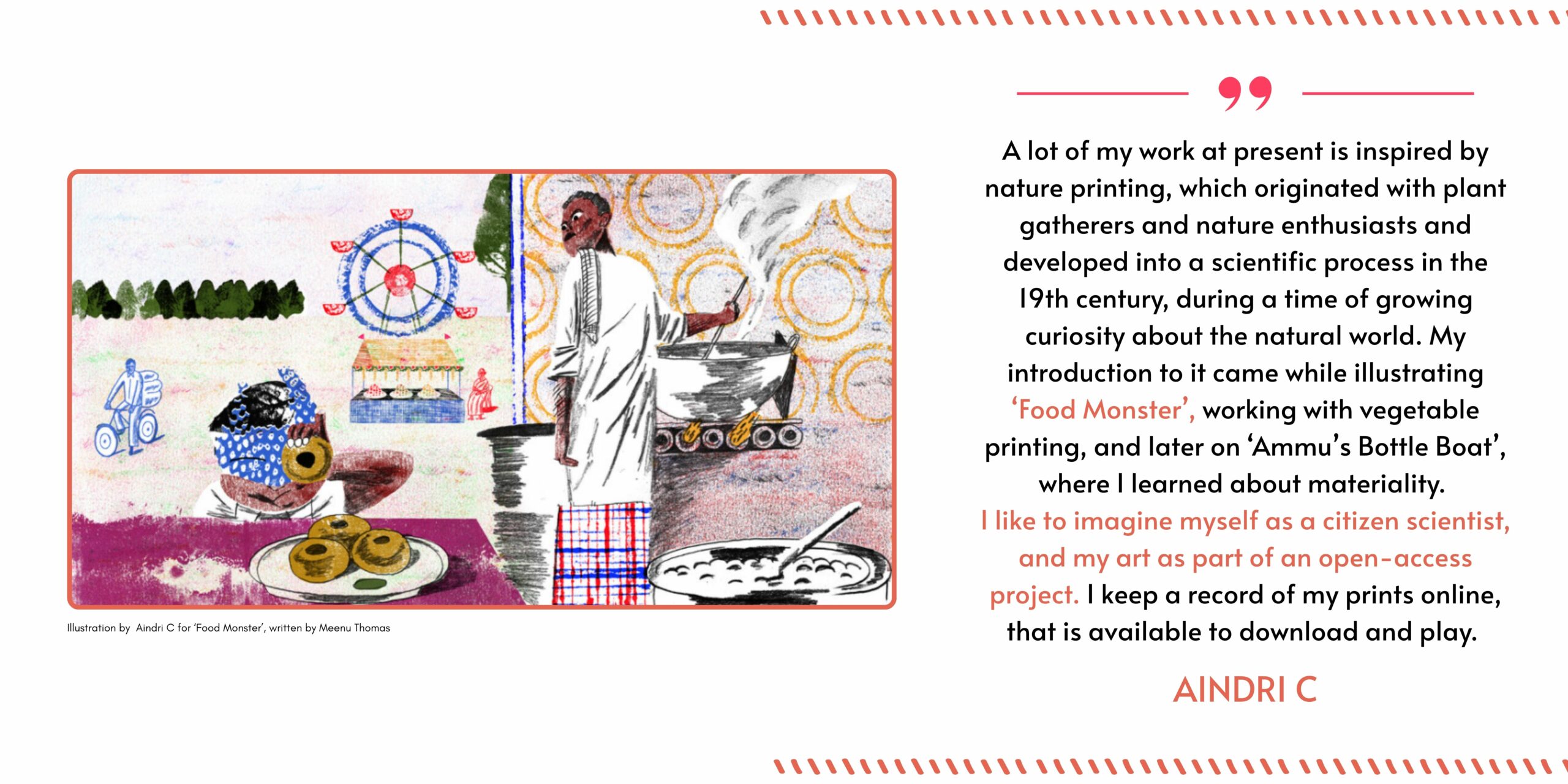
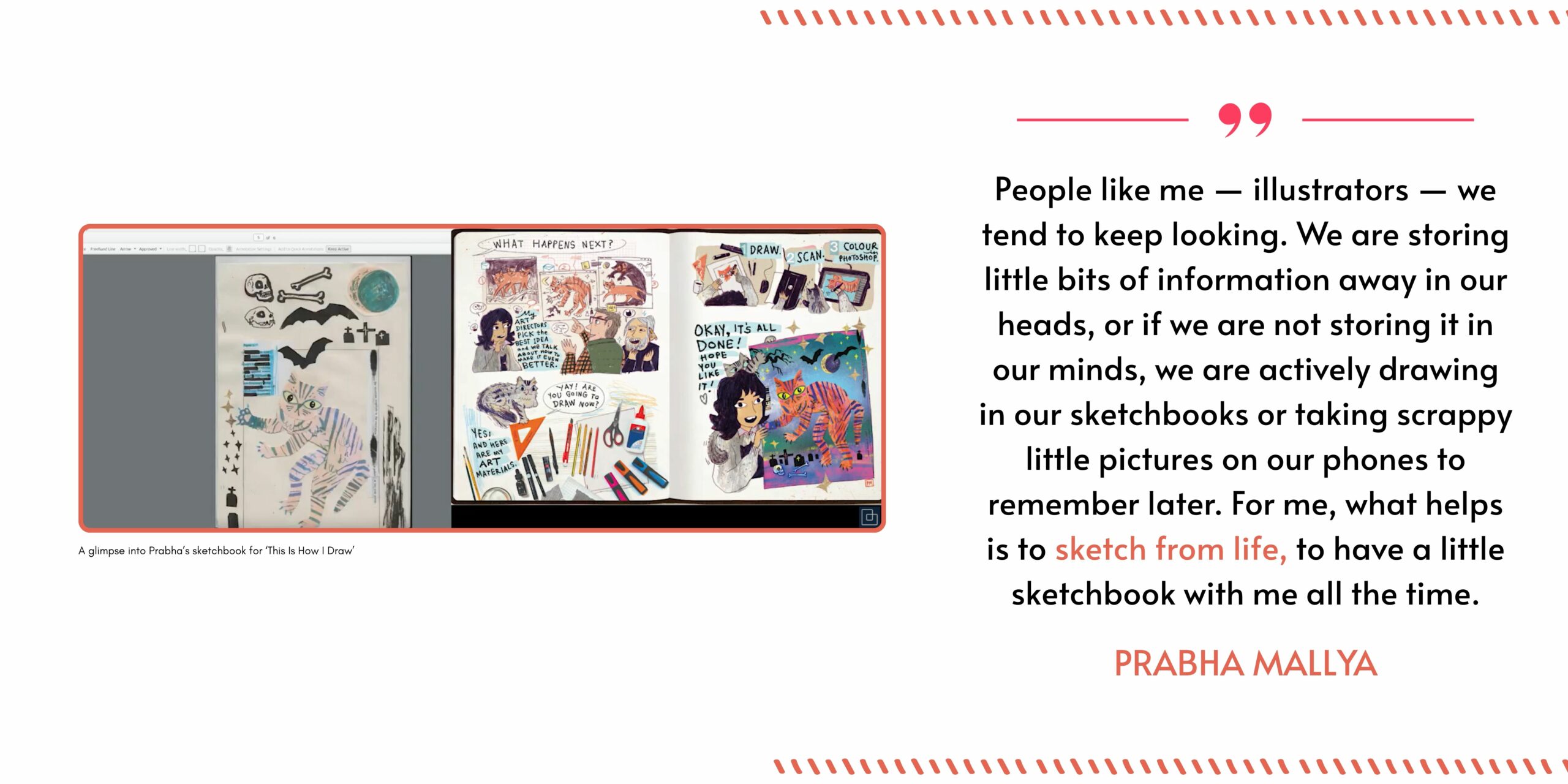 This Is How I Draw captures the curiosity, experimentation, and imagination at the heart of picture-book creation. By opening a window into the minds and sketchbooks of illustrators, it encourages children and readers of all ages to observe, imagine, and create — nurturing visual literacy and a deeper understanding of how stories come to life on the page.
Watch a recording of the complete panel discussion here: https://youtu.be/Rrm0C9yNIiM?si=FoDvq-KuKU-UT8mK
Grab your copy of This Is How I Draw here:
https://store.prathambooks.org/productDetails?productId=this_is_how_i_draw_1_2